

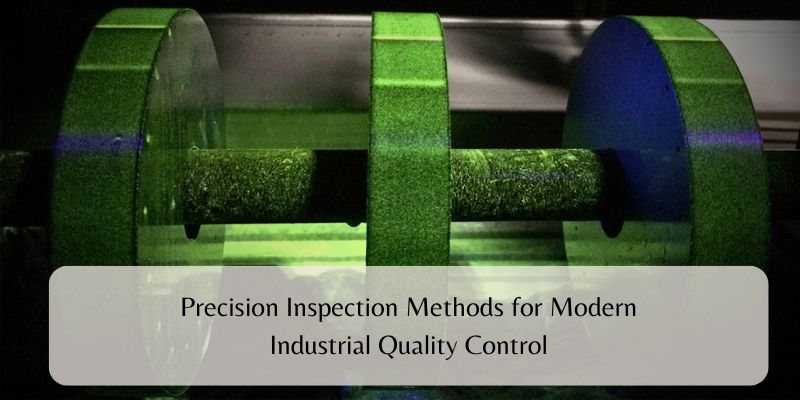
Precision Inspection Methods for Modern Industrial Quality Control
Introduction
Industries that rely on high performance machinery and structural components must maintain strict quality standards to ensure safety and operational efficiency. Even the smallest surface defect can affect the durability and performance of a component if left undetected. This is why advanced inspection techniques are widely used across aerospace, automotive, power generation, and manufacturing sectors.
Among the most effective methods available today is fluorescent liquid penetrant testing. This process helps inspectors identify extremely fine surface cracks, porosity, and discontinuities that are difficult to detect with standard visual inspection methods. Its accuracy and reliability make it a preferred solution for industries where precision is essential.
Importance of Surface Defect Detection
Surface defects often develop during manufacturing, welding, machining, or prolonged operational use. Detecting these flaws at an early stage helps industries avoid equipment failure, reduce maintenance costs, and improve product reliability.
Common defects identified during inspection include:
- Surface cracks
- Porosity
- Seams and laps
- Fatigue related discontinuities
- Heat affected flaws
Early identification of such defects allows manufacturers to maintain consistent quality while meeting industry safety standards.
Advanced Penetrant Solutions in Industrial Inspection
The quality of inspection results depends heavily on the penetrant materials used during the process. One advanced solution used in modern inspection systems is lumin check fluorescent penetrant. It is designed to provide strong fluorescence under ultraviolet light while maintaining excellent penetration properties.
This type of penetrant offers several advantages:
- High visibility during ultraviolet inspection
- Reliable penetration into fine surface defects
- Stable performance across inspection conditions
- Easy removal after application
- Improved accuracy during evaluation
Using high quality penetrant materials ensures that inspectors can identify even microscopic flaws with confidence.
Inspection Workflow and Process
Fluorescent penetrant inspection follows a structured process to ensure accurate and repeatable results. Every stage plays an important role in detecting hidden surface discontinuities.
| Step | Purpose |
| Surface Cleaning | Removes oil, grease, and contaminants |
| Penetrant Application | Allows penetrant to enter defects |
| Dwell Time | Provides time for penetration |
| Excess Removal | Cleans surface while retaining penetrant in flaws |
| Developer Application | Draws penetrant out for visibility |
| UV Examination | Reveals indications under ultraviolet light |
Following a controlled workflow helps improve consistency and inspection reliability across industrial applications.
Role of Fluorescent Inspection in Critical Industries
Modern manufacturing industries require highly sensitive inspection methods to ensure product reliability. One widely adopted approach is fluorescent penetrant inspection, which provides enhanced visibility of surface flaws through ultraviolet illumination.
This method is especially useful for:
- Aerospace engine components
- Automotive transmission systems
- Welded structures and pipelines
- Turbine blades and rotating equipment
- Precision machined parts
Because the fluorescent glow creates a strong contrast with the surface, inspectors can detect extremely small discontinuities that may otherwise remain unnoticed.
Benefits of Fluorescent Inspection Methods
Industries continue to adopt fluorescent inspection systems because of the operational and technical advantages they provide.
Some key benefits include:
- High sensitivity for fine crack detection
- Suitable for complex component shapes
- Non destructive inspection process
- Faster defect identification
- Improved quality assurance standards
These advantages help organizations maintain reliable production processes while minimizing the risk of component failure.
Frequently Asked Questions
1. What materials can be inspected using fluorescent penetrant methods?
These methods are suitable for non porous materials such as metals, ceramics, and certain engineered plastics.
2. Why is ultraviolet light used during inspection?
Ultraviolet light helps fluorescent penetrants glow brightly, making surface defects easier to identify.
3. Can this inspection method detect internal defects?
No, the process is specifically designed to identify surface breaking discontinuities only.
4. Is special training required for inspectors?
Yes, trained technicians are needed to correctly perform inspections and interpret indications accurately.
5. Which industries commonly use fluorescent penetrant methods?
Aerospace, automotive, power generation, manufacturing, and heavy engineering industries widely use these inspection techniques.
Conclusion
Maintaining product safety and reliability requires dependable inspection techniques that can identify defects before they lead to serious failures. Advanced methods such as liquid penetrant testing continue to play a vital role in modern quality assurance systems because of their accuracy and efficiency.
With industry expertise and reliable inspection solutions, P Met supports organizations in achieving consistent quality standards while improving operational safety and long term equipment performance.