
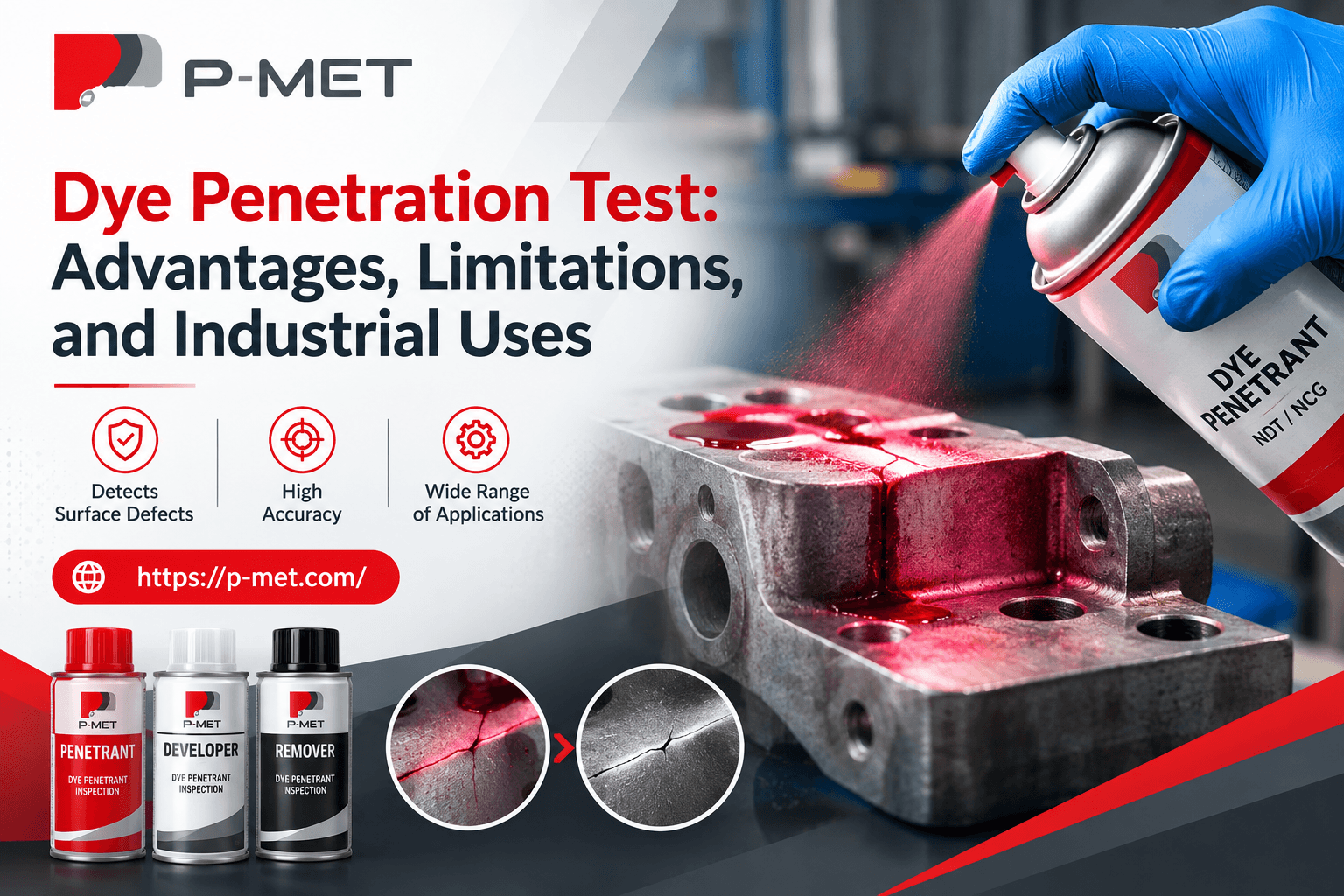
Dye Penetration Test: Advantages, Limitations, and Industrial Uses
Detecting surface defects before they cause equipment failure is essential in manufacturing, construction, aerospace, automotive production, and other industrial sectors. Even a small crack in a metal component can affect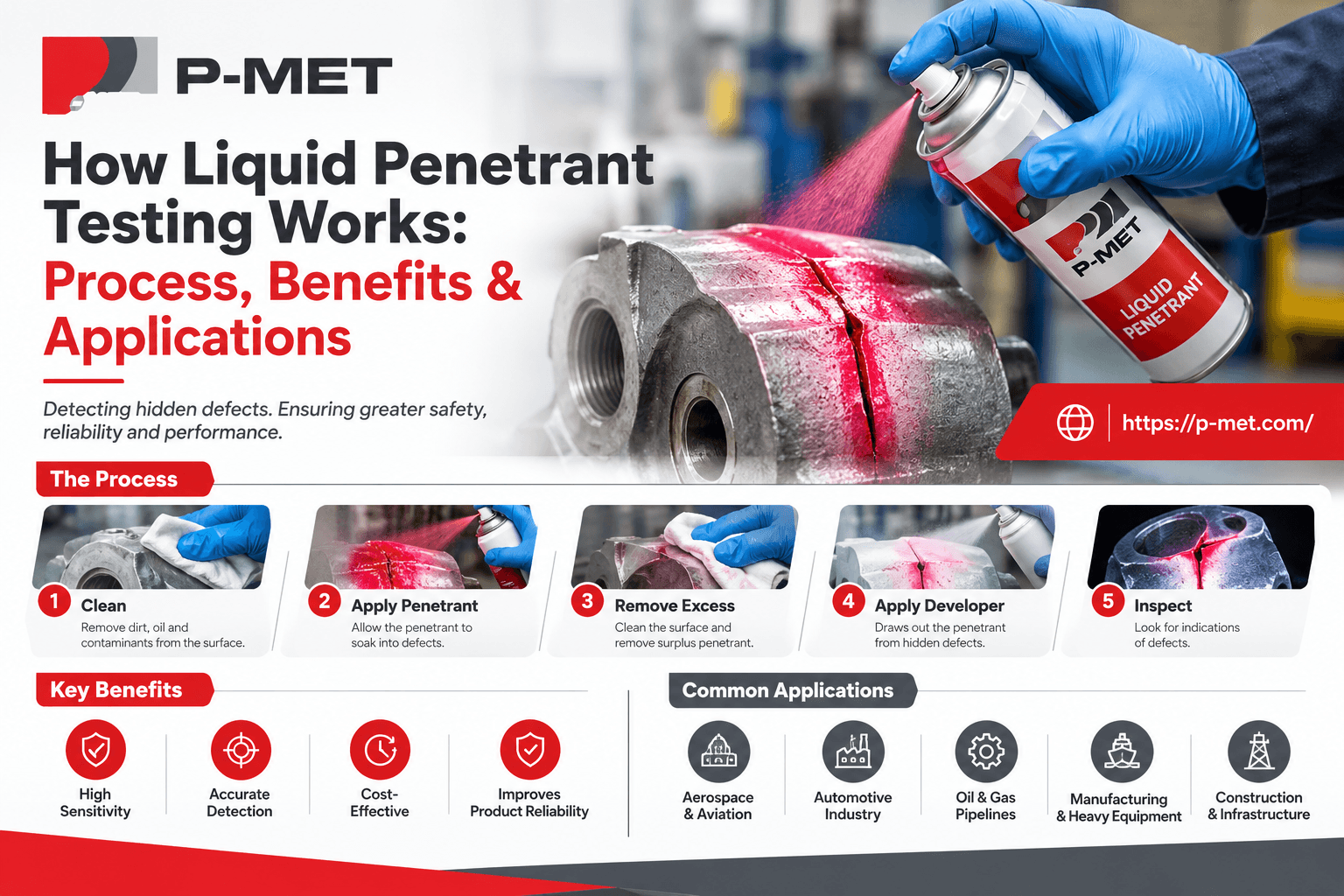
Magnaflux Water Washable Penetrant: Features, Applications, and Advantages
Detecting surface defects is essential for maintaining product quality, operational safety, and reliability in industries that depend on precision-engineered components. Cracks, porosity, laps, and other surface discontinuities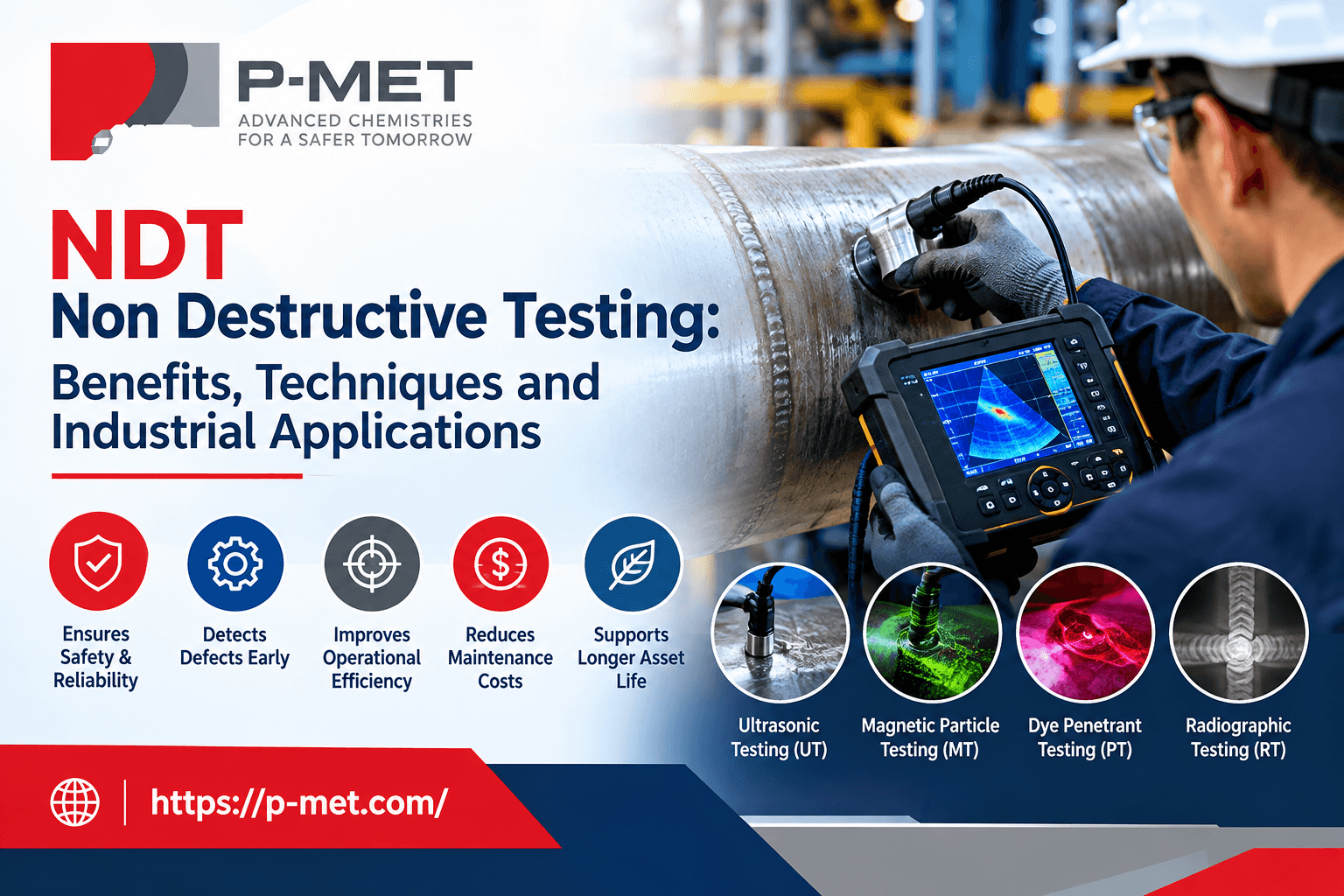
NDT Non Destructive Testing: Benefits, Techniques and Industrial Applications
Quality failures in industrial components can lead to production delays, equipment damage, safety incidents, and expensive repairs. NDT non destructive testing provides a practical way to examine materials, welds, components,
How Liquid Penetrant Testing Works: Process, Benefits & Applications
When components such as welds, castings, forgings, machined parts, or aerospace components need inspection, surface-breaking defects can be difficult to identify with visual examination alone. A nondestructive examination method
How to Choose the Right Non Destructive Testing Chemical Manufacturers
Choosing the right supplier for inspection chemicals is important because the quality, consistency, and documentation of these materials can directly affect defect detection and inspection reliability. The right non destructive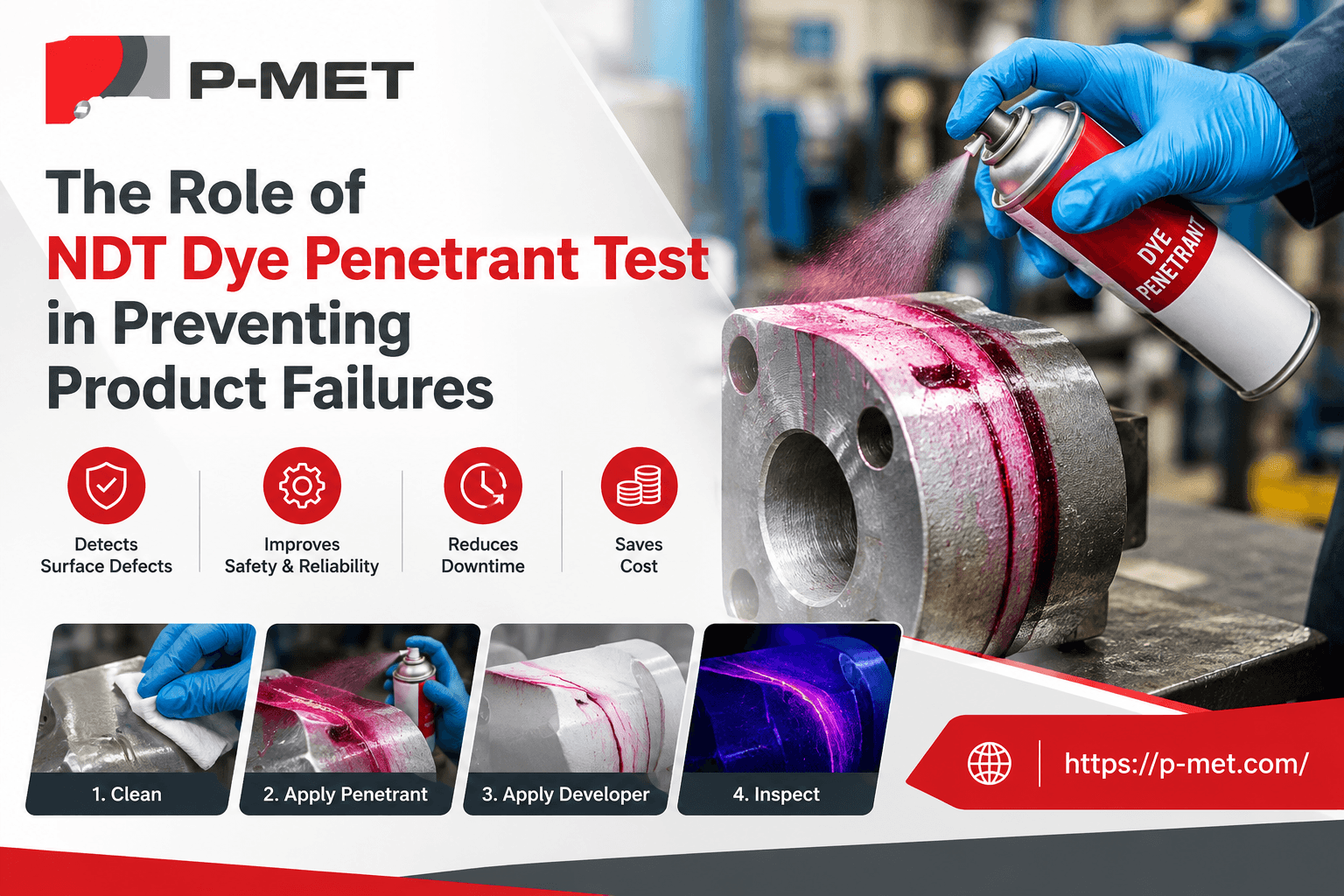
The Role of NDT Dye Penetrant Test in Preventing Product Failures
Product failures can result from defects that remain invisible during normal visual inspection. Tiny surface cracks, laps, seams, and discontinuities may eventually become serious problems when a component is exposed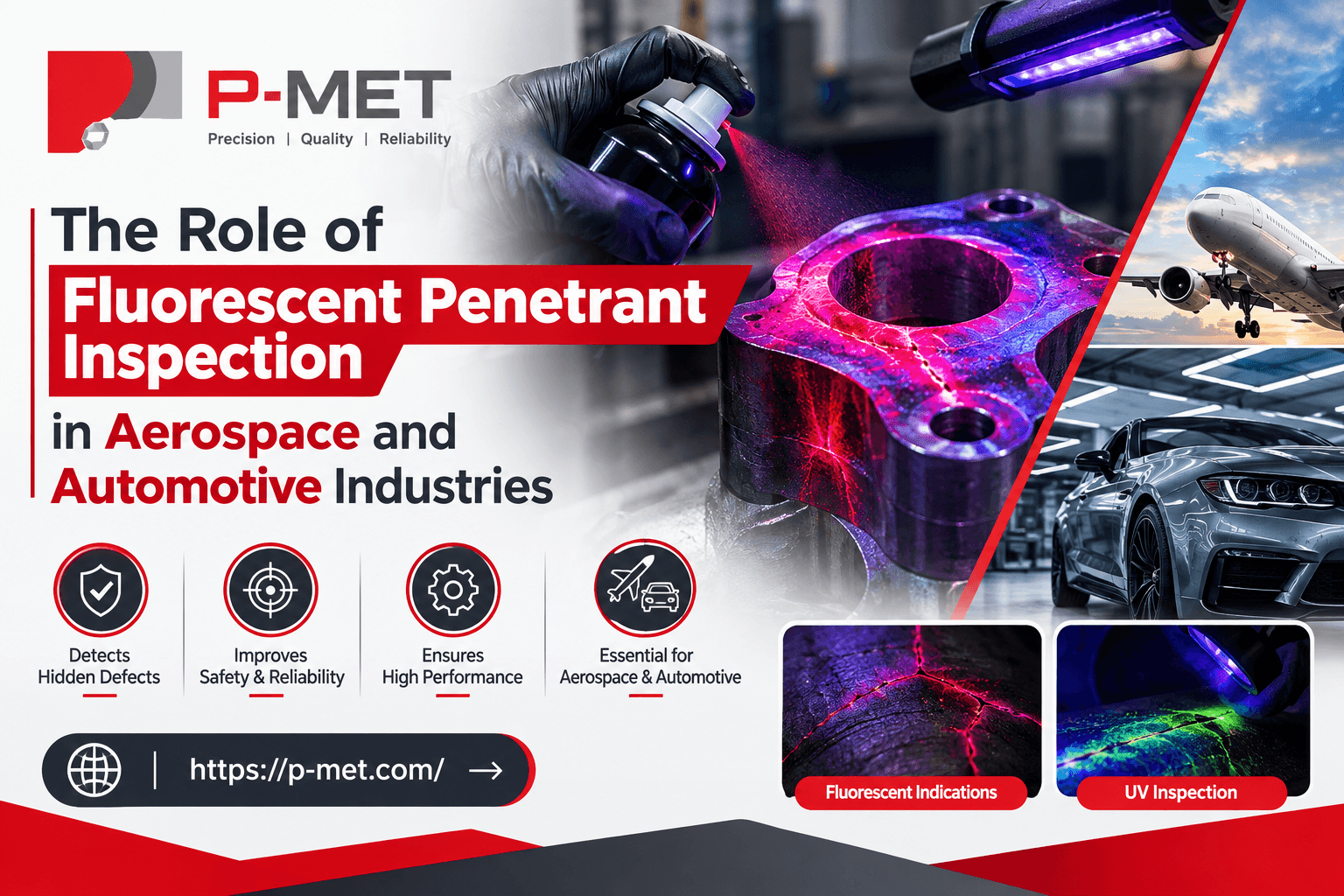
The Role of Fluorescent Penetrant Inspection in Aerospace and Automotive Industries
Aerospace and automotive components must withstand demanding operating conditions, from vibration and pressure to temperature changes and repeated mechanical loads. Even a very small surface defect can affect component performance,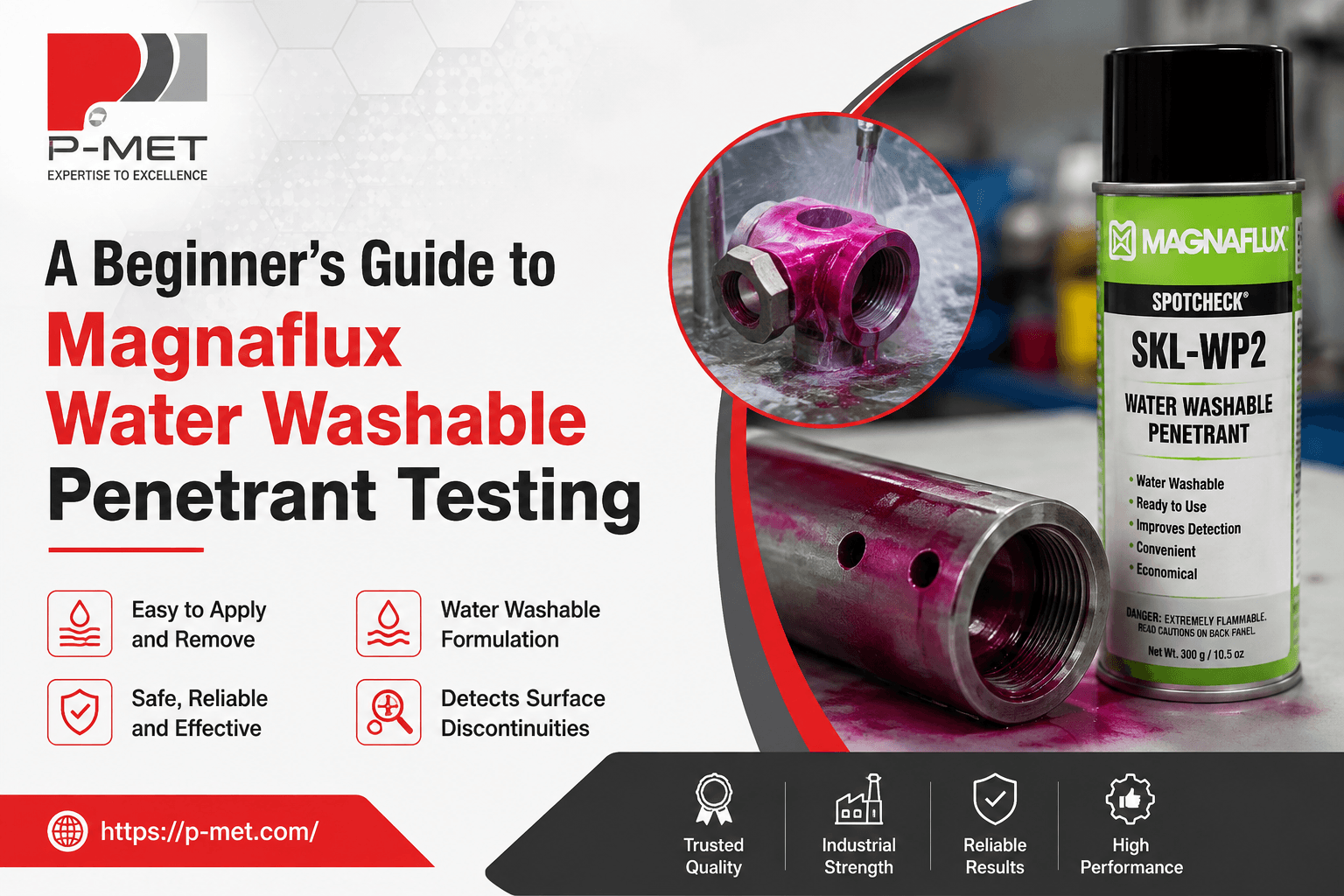
A Beginner’s Guide to Magnaflux Water Washable Penetrant Testing
Non-destructive testing (NDT) plays an important role in checking the quality and reliability of components without causing damage during inspection. Among the established surface inspection methods, penetrant testing is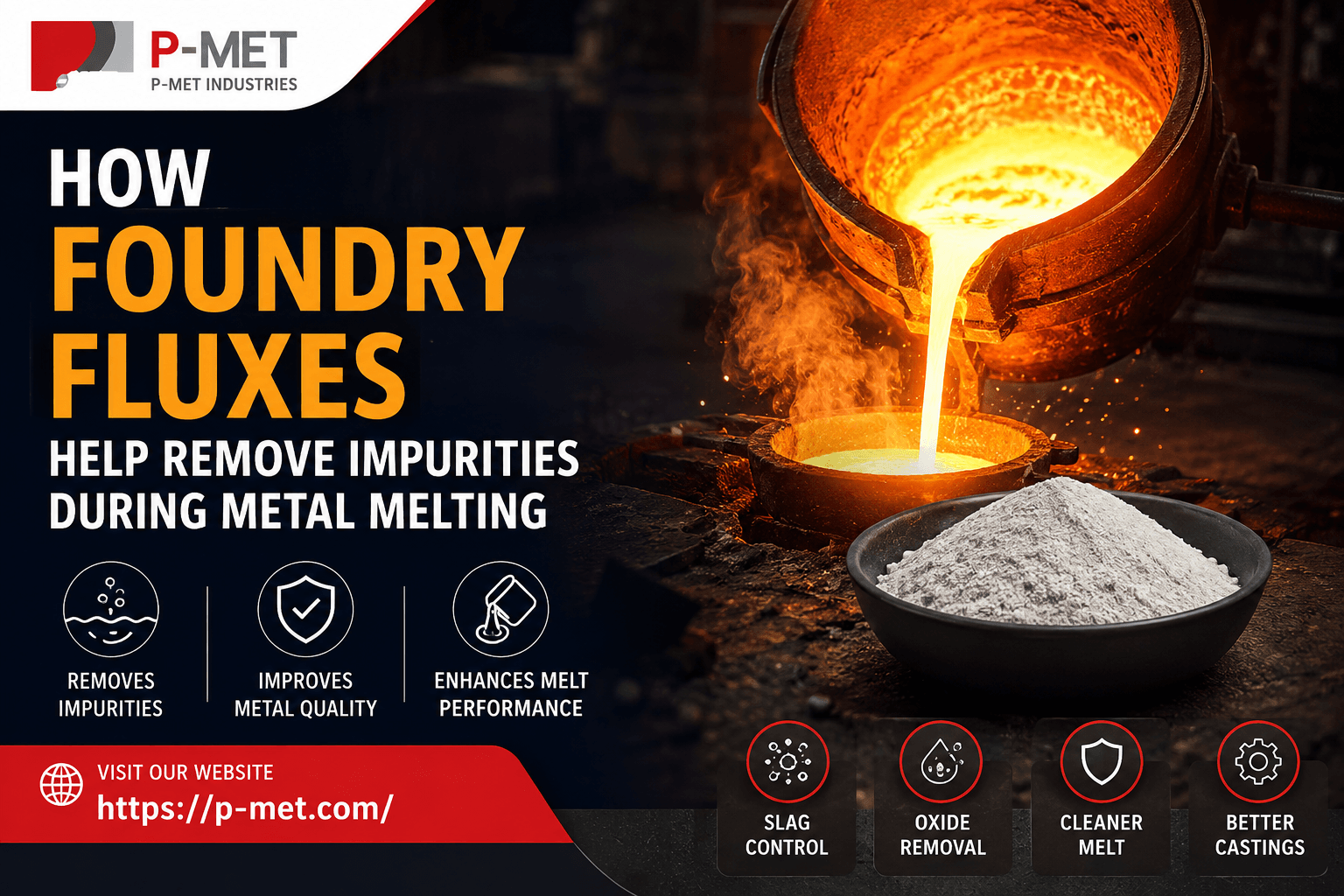
How Foundry Fluxes Help Remove Impurities During Metal Melting
Metal melting is a critical stage in foundry operations because the quality of molten metal directly affects the performance and appearance of finished castings. During melting, metals can develop