

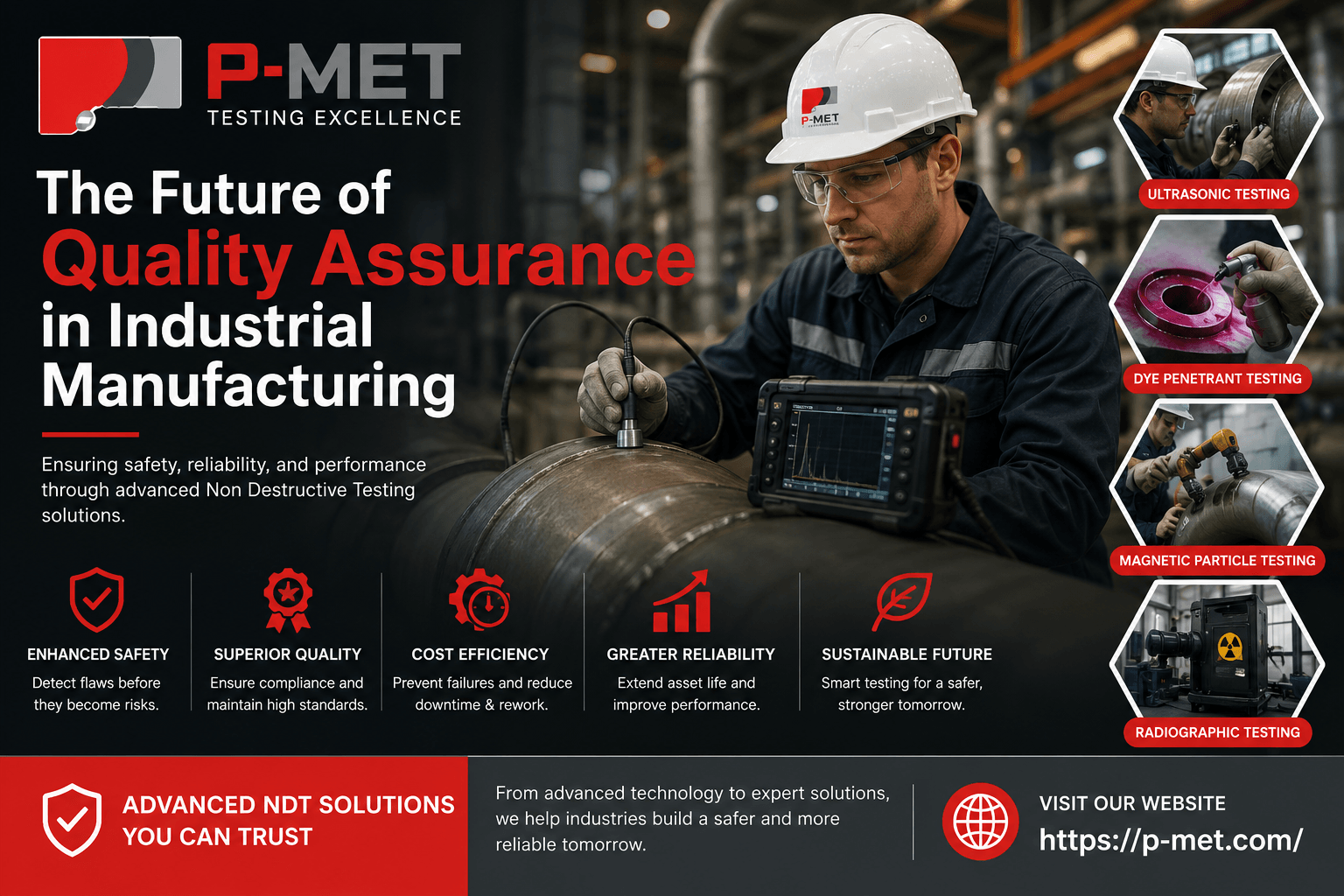
The Future of Quality Assurance in Industrial Manufacturing
Quality assurance has become a critical component of modern industrial manufacturing. As industries strive to improve product reliability, operational efficiency, and safety standards, quality control processes continue to evolve. Manufacturers are increasingly adopting advanced inspection techniques and data-driven solutions to detect defects, minimize risks, and ensure compliance with industry requirements. Among these advancements, NDT non destructive testing has emerged as an essential tool for evaluating materials and components without causing damage. As technology continues to advance, the future of quality assurance is expected to become more accurate, efficient, and integrated into every stage of the manufacturing process.
The Growing Importance of Advanced Inspection Methods
Industrial manufacturing involves complex systems, precision components, and strict performance expectations. Traditional inspection methods remain valuable, but modern industries increasingly require more sophisticated approaches to quality assurance.
Advanced inspection methods provide several advantages:
- Improved defect detection
- Reduced material waste
- Enhanced product reliability
- Greater operational efficiency
- Better compliance with quality standards
These benefits help manufacturers maintain consistent production quality while reducing the likelihood of costly failures and disruptions.
Industry-Specific Applications of Quality Assurance
Many sectors depend on specialized quality assurance techniques to maintain safety and performance standards. Industries such as aerospace, energy, automotive, and non destructive testing chemical manufacturers rely on comprehensive inspection processes to identify potential issues before products enter service.
Quality assurance supports these industries by:
- Monitoring material integrity
- Verifying manufacturing accuracy
- Supporting regulatory compliance
- Reducing operational risks
- Extending equipment lifespan
As manufacturing environments become increasingly complex, industry-specific quality control strategies will continue to play a vital role in maintaining performance and reliability.
Digital Transformation in Quality Assurance
The integration of digital technologies is reshaping quality assurance practices across industrial sectors. Manufacturers are leveraging automation, artificial intelligence, and advanced data analytics to improve inspection accuracy and streamline processes.
The table below highlights some emerging technologies and their potential impact on quality assurance:
Table
These innovations enable manufacturers to identify trends, optimize operations, and respond more effectively to quality concerns.
The Shift Toward Predictive Quality Management
Modern quality assurance is moving beyond reactive inspection methods. Many organizations now focus on predictive approaches that identify potential issues before defects occur. This shift improves efficiency and reduces the likelihood of production interruptions.
As industries search for solutions such as Ndt non destructive testing near me, they are increasingly adopting predictive quality management strategies that include:
- Continuous monitoring systems
- Data-driven decision-making
- Equipment condition assessment
- Preventive maintenance planning
- Process optimization initiatives
These approaches help manufacturers improve reliability while reducing long-term operational costs and quality-related risks.
Sustainability and the Future of Manufacturing Quality
Sustainability is becoming an important consideration in industrial manufacturing. Quality assurance contributes to environmental goals by reducing waste, improving resource efficiency, and extending product life cycles.
Future quality assurance systems may support sustainability through:
- Reduced material consumption
- Improved manufacturing precision
- Longer equipment service life
- Lower failure rates
- Enhanced resource management
As organizations pursue sustainable manufacturing objectives, quality assurance will remain a key factor in achieving both environmental and operational goals.
Conclusion
The future of industrial manufacturing depends heavily on the continued evolution of quality assurance practices. As technology advances, manufacturers are gaining access to more accurate, efficient, and predictive methods for ensuring product integrity and operational reliability. From digital monitoring systems to advanced inspection technologies, quality assurance is becoming increasingly integrated into every stage of production. Organizations such as P Met recognize the importance of innovation in maintaining manufacturing excellence. As industries continue to evolve, the role of non destructive testing and advanced quality assurance strategies will remain essential in supporting safety, efficiency, and long-term success.